#276 Robot Psychology
Barclays estimates that the number of humanoid robots delivered globally will rise from 90,000 this year to over 1.2m in 2030. Will we really accept them into our homes?

This year a humanoid robot called Lightning completed a half marathon in Beijing. It broke the human world record with a time of 50.26 minutes. We are all happy with the idea of production line robots. Often these are a single mechanical arm. The arm might fit a wheel or weld a joint. Highly focused but highly repetitive. Factory robots, some humanoids, are multi-purpose. They have been used, for example, to stack boxes in warehouses.
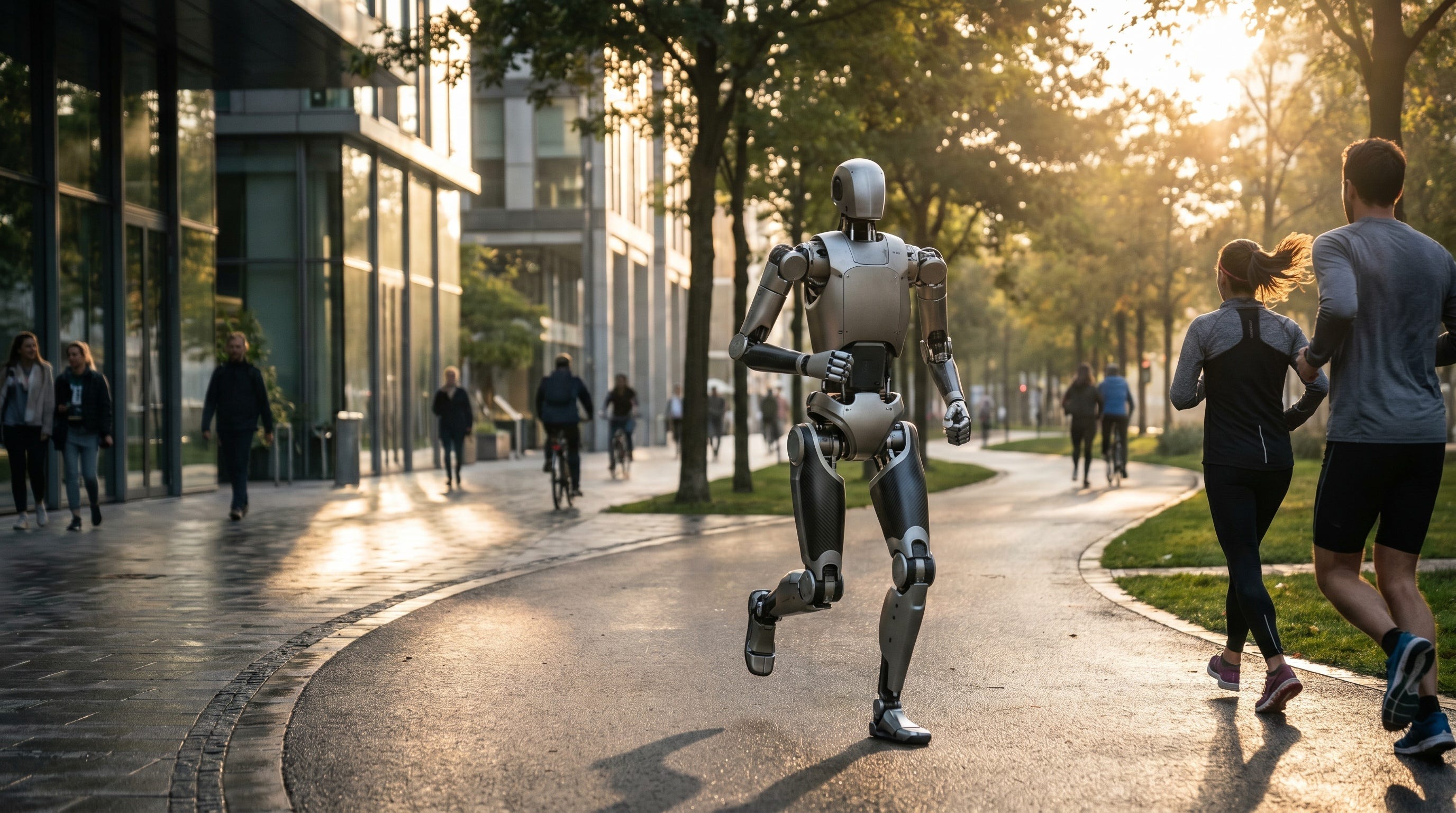
For the market to grow we, as consumers, will have to welcome such robots on to our streets and into our homes. This is a problem of psychology not technology.
A Five Minute Read
I recently returned from an academic conference called SERVSIG. This is the American Marketing Association Special Interest Group on Services Marketing. There were hundreds of researchers presenting papers. The big theme this year was consumer acceptance of robots of all kinds.
A typical and thought-provoking study looked at the physical form of the robot. They looked at the backroom of restaurants. That space behind many counters and where food is prepared. The point is that we can see what is going on. They looked at the preparation of fried potatoes and an avocado dip. They simulated three different food preparers. There was a human. There was a humanoid robot. There was also a “kitchen machine” that did the job.
The reaction of consumers to humanoids was fascinating. They did not like the idea. They saw these robots as a threat to the employment of people. The humanoid design triggered a reaction. Respondents believed that these machines were going to take work from young people. Young people for whom that job was the first step onto the ladder of employment. They preferred something that looked like a kitchen gadget although much bigger. Even though it would still reduce jobs. There are many different factors to consider when designing robots.
The Embarrassment Factor

In previous Newsletters I introduced my trainer Kieran. I was therefore interested in a study that tested whether someday I would not need him. We have all seen “Digital Humans”. These render people who have never existed. They are, however, totally realistic, often disturbingly so. With modern sensors such digital humans will soon be able to react to you. Add in AI and we could produce a full-size digital trainer. (Sorry Kieran). This would resemble a full-length mirror with an animated figure.
The researchers were interested in the acceptability of such a “trainer”. If introduced into a real gym. Would people be interested in using them? The initial reaction depended on the level of perceived embarrassment. Few people were prepared to accept a one-on-one training session if it took place in a busy gym. It was too embarrassing to be instructed by a screen.
Many more thought that in a group session they might accept a digital human trainer. The embarrassment was shared. Obviously, embarrassment will wear off very quickly. What was once novel becomes normal very quickly. Whether AI can be trained to motivate, to offer empathy and laugh at my jokes remains to be seen. I think Kieran is safe for now.
Robots and Intelligent Automation
The humanoid robot is one solution to deploying automation and AI. For example, we do not need to replace a bank teller with a humanoid robot. Instead we can use an intelligent Automatic Teller Machine that “knows” us. It has access to our accounts but knows our spending pattern. It knows we take out the same amount of cash every Tuesday. It offers both productivity and enhanced customer service. We do not need a humanoid , even if there was a bank branch in which they could operate!
We may all hate chat-bots, but they can at least improve productivity in call centers. They are getting better. They can even encourage us to do our own repairs. The chat bot on the help line of my computer took me through a full diagnosis. (Writing this on a borrowed machine.)
Researchers at the conference had looked at many aspects of this. Whether a chat bot or a human is better at handling service failures. At what point is it better to switch to a human? The logic throughout is how to build acceptance. That may mean sacrificing technical efficiency.
Robots for the Ageing
At the conference there were papers focused exclusively on help for the ageing. Many were looking at the therapeutic effects of different formats of robot help. These ranged from the “comfort robots”. “Creatures” that often offer the same functional support as a pet. They respond to being held and stroked. Success is already being demonstrated with sufferers of dementia.
Others variants are more cognitive. They can help remind older people when to take their medicine. They can let them know when visitors should be expected. They can help communication. They can be a companion. Understanding who can be helped by what kind of robot is crucially important. It will determine how help can best be deployed in the future.
A recent excellent recent Newsletter suggested that the role of carers needs to change. They pointed out that older people do want to age in their homes. With the growth of “smart homes” there is a vast array of technology that could help. To this can be added especially designed products. However, it is far more likely for a young person to have voice activated home lights than an older person. A carer should now be the curator of technological solutions desined for each individual.
If you enjoy the Newsletter please recommend it to friends and send them to Substack to subscribe. It is free. Alternatively try the button below. All the Newsletters and lots more background is on my website thebusinessofage.com.